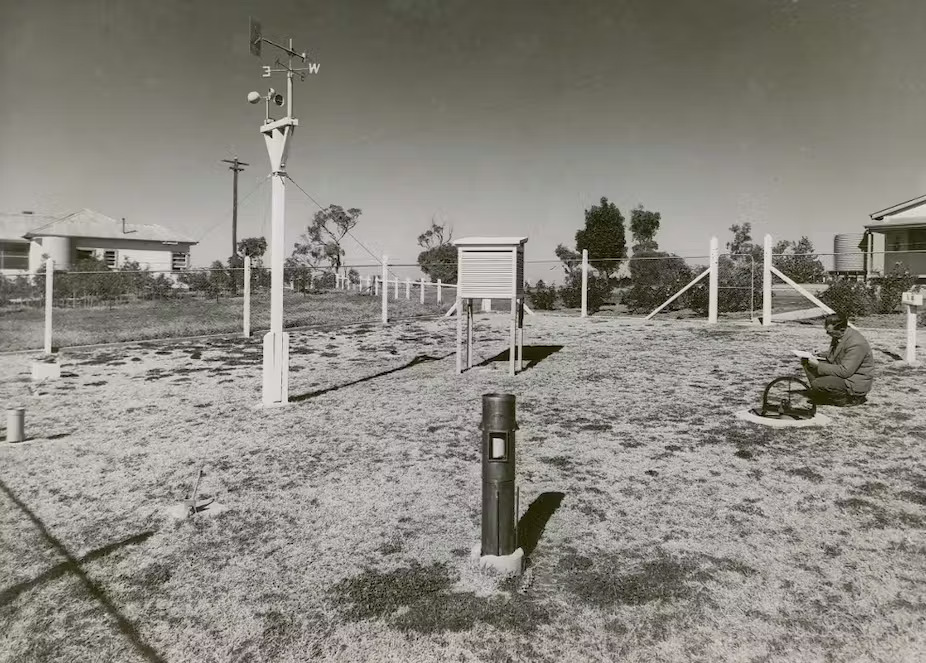
Early Western Australian meteorology holds a rich tapestry of weather observations, discoveries, and challenges that shaped the understanding of the region’s climatic patterns. From the early colonial period to the establishment of dedicated meteorological institutions, the study of weather in this vast and diverse state has been a tale of innovation and perseverance.
During the initial European settlement in the 19th century, meteorology in Western Australia was primarily a concern for agricultural pursuits. Farmers relied on rudimentary instruments to observe and predict weather patterns crucial for crop cultivation and livestock rearing. Rainfall measurements and temperature records became vital for assessing the viability of farming endeavors.
In the late 1800s, with the advancement of technology and scientific understanding, meteorology saw significant progress. Observatories equipped with more sophisticated instruments emerged across Western Australia. The Perth Observatory, established in 1896, not only focused on astronomical studies but also took up meteorological observations, providing valuable data on weather patterns.
The early 20th century witnessed the establishment of formal meteorological services in the region. The Bureau of Meteorology expanded its presence, deploying weather stations throughout Western Australia to gather comprehensive data on temperature, humidity, wind patterns, and precipitation. These observations were critical for issuing weather forecasts and warnings, aiding maritime operations, agriculture, and public safety.
The state’s unique geography, encompassing vast deserts, coastal regions, and diverse landscapes, presented challenges in understanding its varied microclimates. The influence of the Indian Ocean and the vast distances between weather stations made forecasting complex and demanded innovative approaches.
Despite the advancements, Western Australia continued to face weather-related challenges such as cyclones, droughts, and unpredictable rainfall patterns. These phenomena spurred ongoing research and technological advancements in meteorology.
Today, Western Australia benefits from modern meteorological technologies, satellite imagery, and sophisticated computer models for weather prediction. The legacy of early meteorologists and their dedication to understanding the region’s weather patterns laid the foundation for a robust meteorological infrastructure that continues to evolve, ensuring the safety and prosperity of its inhabitants.
 Astronomy West
Leave a comment