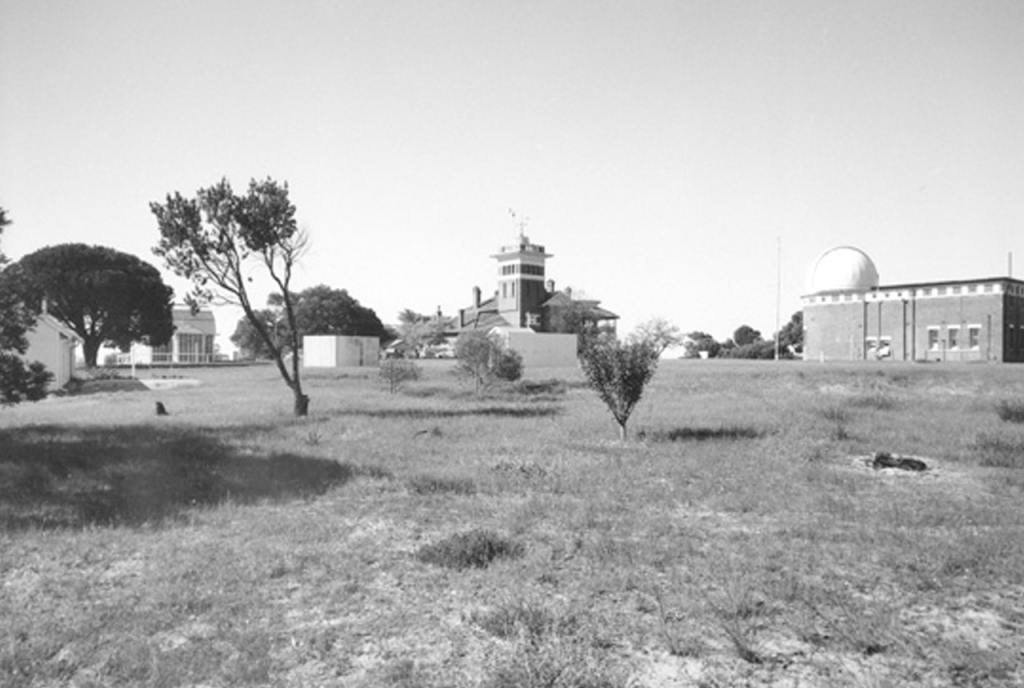
The History of Western Australian Astronomy
Perth Observatory in Western Australia at Bickley
The history of Western Australian astronomy is long and rich, starting with the Aboriginal people’s understanding of the stars and planets. The Aboriginal people used the stars to help them navigate, and they also had stories and legends about the constellations.
In the 19th century, Europeans began to settle in Western Australia, and they brought with them their own knowledge of astronomy. In 1896, the Perth Observatory was founded, and it has since been a center for astronomical research and public education.
Some of the most important figures in Western Australian astronomy include:
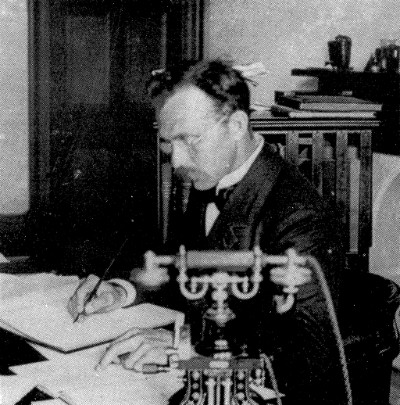
William Ernest Cooke: Cooke was the first Government Astronomer of Western Australia, and he was responsible for setting up the Perth Observatory.
Harold Curlewis: Curlewis was the second Government Astronomer of Western Australia, and he was responsible for expanding the observatory’s research program.
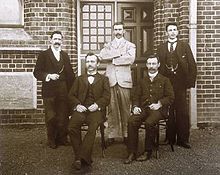
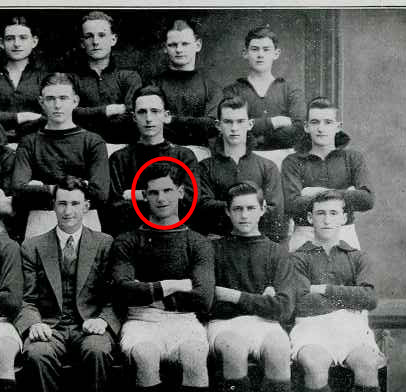
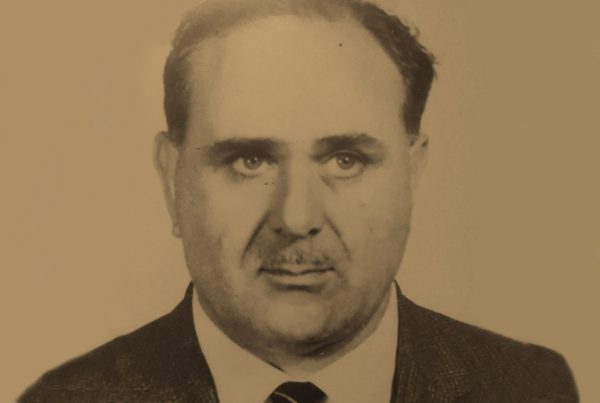
Hyman Spigl: Spigl was the third Government Astronomer of Western Australia, and he was responsible for modernizing the observatory’s equipment.
John Bertrand Harris: Harris was the fourth Government Astronomer of Western Australia, and he was responsible for making the observatory a center for public education.
Today, Western Australia is home to a number of important astronomical facilities, including the Murchison Radio Observatory and the Perth Observatory. These facilities are helping to make Western Australia a leader in astronomical research.
Aboriginal Astronomy
Aboriginal people observing the stars
The Aboriginal people of Western Australia have a deep understanding of the stars and planets. They used the stars to help them navigate, and they also had stories and legends about the constellations.
One of the most important Aboriginal constellations is the Emu in the Sky. This constellation is made up of seven stars, and it is believed to be the spirit of an emu that was killed by a hunter.
The Aboriginal people also have stories about the Southern Cross. This constellation is believed to be the spirit of two women who were chasing a kangaroo.
The Perth Observatory
The Perth Observatory was founded in 1896, and it has since been a center for astronomical research and public education. The observatory is located in Bickley, which is about 25 kilometers east of Perth.
The observatory’s first telescope was a 6-inch meridian telescope, which was used to make observations of the stars and planets. The observatory also has a 13-inch astrographic telescope, which was used to take photographs of the sky.
The Perth Observatory is open to the public for tours and observing nights. The observatory also has a planetarium, which shows educational programs about astronomy.
Murchison Radio Observatory
Murchison Radio Observatory
The Murchison Radio Observatory is a radio telescope that is located in the Mid West region of Western Australia. The observatory is one of the most powerful radio telescopes in the world, and it is used to study the universe in the early stages of its formation.
The Murchison Radio Observatory is a collaboration between a number of Australian and international organizations. The observatory is operated by the International Centre for Radio Astronomy Research (ICRAR).
Conclusion
Western Australia has a long and rich history of astronomy. The Aboriginal people’s understanding of the stars and planets, the founding of the Perth Observatory, and the construction of the Murchison Radio Observatory are all important milestones in this history. Western Australia is now a leader in astronomical research, and it is sure to continue to make important contributions to our understanding of the universe.
 Astronomy West
Leave a comment